 Alessandro Romano · 19 March 2025
Padel and pickleball are two of the fastest-growing racket sports in the world. Both are fun, social, and easy to pick up, but they have distinct differences in rules, equipment, and playing styles. If you've ever wondered, are padel and pickleball the same?, you're not alone. The two sports are similar in some ways, but each offers a completely different experience.
In this article, we'll go over the main differences between padel and pickleball, like the court size, rackets, and balls. Plus, we'll explore their popularity worldwide and help you decide which one is the best fit for you!
How is Padel Different from Pickleball?
One of the most common questions new players ask is, is pickleball the same as padel? The short answer is no. While both sports are played on a smaller court than traditional tennis, they differ in several ways.
Court Dimensions
One of the biggest differences between courts is the size and structure.
Padel Courts:
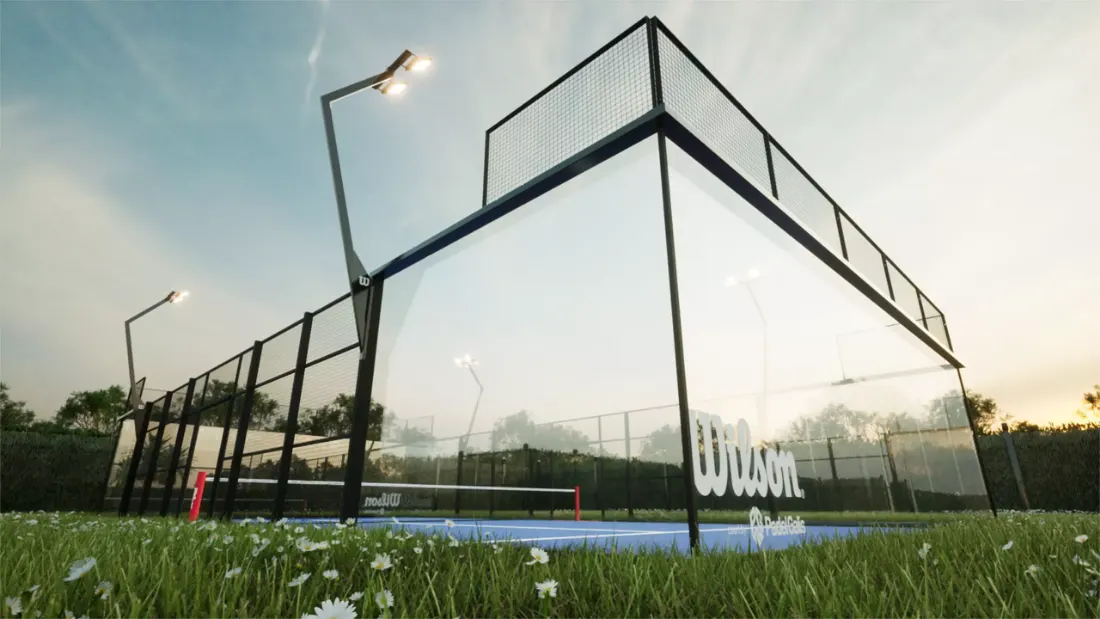
- Size: 20m x 10m (66ft x 33ft)
- Structure: Surrounded by glass walls and metal fencing
- Playing Area: The walls are part of the game, allowing players to use them strategically
- Surface: Typically artificial grass or synthetic materials
Pickleball Courts:
- Size: 13.4m x 6.1m (44ft x 20ft), roughly the same size as a badminton court
- Structure: No walls, open court design
- Playing Area: Players must focus entirely on shot placement and positioning
- Surface: Usually concrete or asphalt with specific court markings
To sum up, padel courts are almost twice the size and have a more dynamic style of play with rebounds off the walls.
Rackets
Another major difference is in the padel vs pickleball racket design:
Padel Rackets:
- Design: Solid with no strings, typically made of carbon fiber or fiberglass
- Features: Designed with holes to reduce air drag, giving you more power and spin
- Shape: Round or teardrop shape with perforated surface
- Weight: Generally heavier for more power
Pickleball Rackets (Paddles):
- Design: Also solid and stringless, but they are flat with no holes
- Materials: Usually made of composite materials or graphite
- Purpose: Built more for control and precision than for power
- Shape: Rectangular or oval shape with smooth surface
- Weight: Generally lighter for better control
Ball Type
The balls used also have distinct differences:
Padel Balls:
- Appearance: Look almost identical to tennis balls but are slightly smaller
- Pressure: Less pressurized to suit the padel court's size and surface
- Material: Felt-covered rubber core
- Bounce: Higher bounce, similar to tennis balls
- Speed: Faster movement across the court
Pickleball Balls:
- Appearance: Made of hard plastic with holes, similar to a wiffle ball
- Material: Solid plastic construction with perforations
- Bounce: Lower bounce and slower movement
- Speed: Slower, more controlled movement
- Variations: Different colors for indoor vs outdoor play
Playing Style and Rules
Padel Gameplay
Key Characteristics:
- Pace: Fast-paced, high-energy game
- Strategy: Emphasis on power, spin, and quick reflexes
- Wall Play: Strategic use of walls for angles and rebounds
- Doubles: Always played in teams of two
- Scoring: Similar to tennis scoring system
Unique Elements:
- Ball can bounce off walls and remain in play
- Underhand serves only
- More physical and dynamic movement
- Emphasis on power and athleticism
Pickleball Gameplay
Key Characteristics:
- Pace: Slower, more tactical game
- Strategy: Emphasis on placement and precision
- Court Control: Focus on positioning and shot placement
- Mixed Play: Can be played singles or doubles
- Scoring: Unique scoring system with serving rules
Unique Elements:
- No-volley zone (kitchen) near the net
- Underhand serves only
- Double-bounce rule (ball must bounce once on each side)
- Emphasis on strategy and finesse
Popularity Around the World
Both sports are growing fast but in different regions, depending on things like access, local culture, and facilities.
Padel Popularity
Strong Regions:
- Europe: Spain, Sweden, Italy, France leading the charge
- Latin America: Argentina, Mexico, Brazil
- Middle East: Growing rapidly in UAE, Saudi Arabia
- North America: Gaining traction in the U.S. and Canada
Growth Factors:
- Strong professional circuits and tournaments
- Celebrity endorsements and media coverage
- Investment in infrastructure and facilities
- Social media presence and community building
Pickleball Popularity
Strong Regions:
- North America: Very popular in the United States and Canada
- Australia: Growing community and facilities
- Europe: Emerging presence in the UK and other countries
- Asia: Developing markets in Japan and other countries
Growth Factors:
- Accessibility for all ages and skill levels
- Lower barrier to entry (equipment and court costs)
- Strong community organizations and leagues
- Media attention and professional development
Equipment and Setup Costs
Padel Investment
Court Requirements:
- Larger space needed (20m x 10m)
- Glass walls and fencing required
- Specialized court surface
- Higher initial investment
Equipment Costs:
- Rackets: $50-$300+ depending on quality
- Balls: $15-$25 per can
- Court maintenance: Regular upkeep required
Pickleball Investment
Court Requirements:
- Smaller space needed (13.4m x 6.1m)
- No walls required
- Can be played on existing tennis courts
- Lower initial investment
Equipment Costs:
- Paddles: $30-$200+ depending on quality
- Balls: $2-$5 per ball
- Court setup: Minimal modifications needed
Which One is Better for You?
Now that we've compared the 2 sports, which one should you play? Here's a quick guide:
Play Padel If:
- You enjoy fast-paced, strategic play with wall rebounds
- You like tennis but want a more social and accessible version
- You want to develop power, spin, and quick reflexes
- You prefer a more physical game with dynamic movement
- You enjoy the social aspect of doubles play
- You have access to padel facilities in your area
Play Pickleball If:
- You prefer a slower, tactical game with more emphasis on placement
- You want a sport that's easy on the joints and great for all ages
- You like a game that's simple to learn with a shorter court
- You prefer precision over power in your gameplay
- You want lower equipment and facility costs
- You enjoy mixed-age and skill-level play
Learning Curve and Accessibility
Padel Learning Curve
Beginner Level:
- Moderate learning curve
- Requires understanding of wall play
- Basic tennis skills transfer well
- Physical fitness important
Intermediate Level:
- Strategic wall usage
- Power and spin development
- Team coordination skills
- Advanced shot techniques
Pickleball Learning Curve
Beginner Level:
- Very easy to learn basics
- Minimal physical requirements
- Simple rules and scoring
- Quick to start playing
Intermediate Level:
- Strategic positioning
- Precision shot placement
- Kitchen zone mastery
- Advanced serving techniques
Health and Fitness Benefits
Padel Benefits
- Cardiovascular fitness: High-intensity aerobic exercise
- Muscle strength: Full-body workout with emphasis on core and legs
- Coordination: Hand-eye coordination and quick reflexes
- Mental agility: Strategic thinking and quick decision-making
- Social interaction: Team-based play builds relationships
Pickleball Benefits
- Low-impact exercise: Easy on joints and suitable for all ages
- Balance and coordination: Improves stability and movement control
- Mental stimulation: Strategic thinking and tactical play
- Social engagement: Community building and social interaction
- Accessibility: Can be played by people of varying fitness levels
Conclusion
So, are padel and pickleball the same thing? Definitely not! While they share some similarities, each has its own unique appeal.
Padel offers:
- A dynamic, high-energy experience with wall play
- More physical and athletic gameplay
- Tennis-like intensity with social elements
- Strategic use of court walls and angles
Pickleball provides:
- A slower, more strategic game focused on placement
- Accessibility for all ages and skill levels
- Lower barrier to entry and equipment costs
- Precision-based gameplay with tactical elements
In the end, both sports offer fantastic fun, social interaction, and a great workout. No matter which one you pick, both are incredible ways to stay active and be part of a community.
The best approach is to try them both and see which one you love more! Many players enjoy both sports for different reasons - padel for its dynamic, athletic nature, and pickleball for its strategic, accessible gameplay. Both sports have thriving communities and offer excellent opportunities for fitness, fun, and social connection.
Transform Your Club with PLAI
PLAI is the all-in-one platform that helps sports clubs manage both padel and pickleball operations seamlessly. From intelligent court scheduling and member management to automated payments and comprehensive analytics, PLAI gives you the tools to create exceptional experiences for players of both sports.